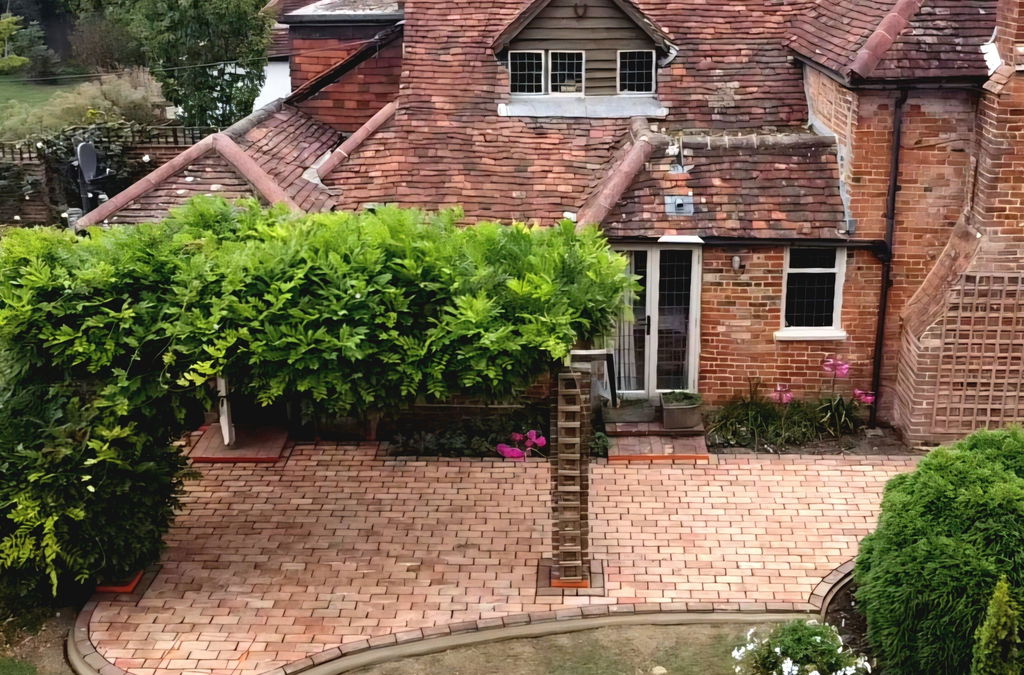
Cobble Tops
Choosing the right paving material for a driveway or garden project is rarely straightforward. Beyond appearance, there are practical considerations around durability, maintenance, comfort underfoot and long-term performance. Reclaimed cobble tops are often admired for their character and heritage feel, but many homeowners and landscapers understandably ask the same question before committing: are reclaimed cobble tops actually the right choice for my project?
This guide is designed to help answer that question honestly. Rather than pushing a one-size-fits-all solution, it explores when cobble tops work exceptionally well, when another material may be more suitable, and how to decide with confidence based on your specific project.
At Reclaimed Brick Company, cobble tops are supplied as genuine reclaimed stone, carefully graded to suit both driveway and landscaping use. Understanding how and where they perform best is the key to getting the most from them.
First: What Exactly Are Reclaimed Cobble Tops?
Before deciding whether cobble tops are suitable, it helps to understand what sets them apart from modern paving. Reclaimed cobble tops are solid natural stone units, typically granite, that have been salvaged from historic streets, yards and industrial settings. Their surface has been naturally worn smooth over decades of use, giving them a patina that cannot be replicated artificially.
If you’re unfamiliar with how cobble tops differ from setts, blocks or slabs, it’s worth reading our detailed guide on what reclaimed cobble tops are and how they compare to new stone paving. That background context often makes the decision process much clearer.
Are Cobble Tops a Good Choice for Driveways?
For many projects, driveways are where cobble tops truly excel. Historically, these stones were laid specifically to carry heavy loads, long before modern vehicles existed. When installed on a correctly prepared sub-base, reclaimed cobble tops offer excellent load-bearing performance and long-term stability.
They are particularly well suited to:
- Traditional driveways where character matters
- Period properties and heritage homes
- Sloped or exposed driveways where grip is important
- Entrance aprons and high-wear access points
The naturally textured surface of driveway-grade cobble tops provides dependable traction in wet and icy conditions, which is one reason they are often preferred over smooth concrete or porcelain in vehicle areas.
For projects focused primarily on vehicle access, many customers choose reclaimed granite cobble tops – driveway grade, which retain a slightly more pronounced surface texture while still offering the aged appearance that makes reclaimed stone so appealing.
Are Cobble Tops Suitable for Gardens and Pedestrian Areas?
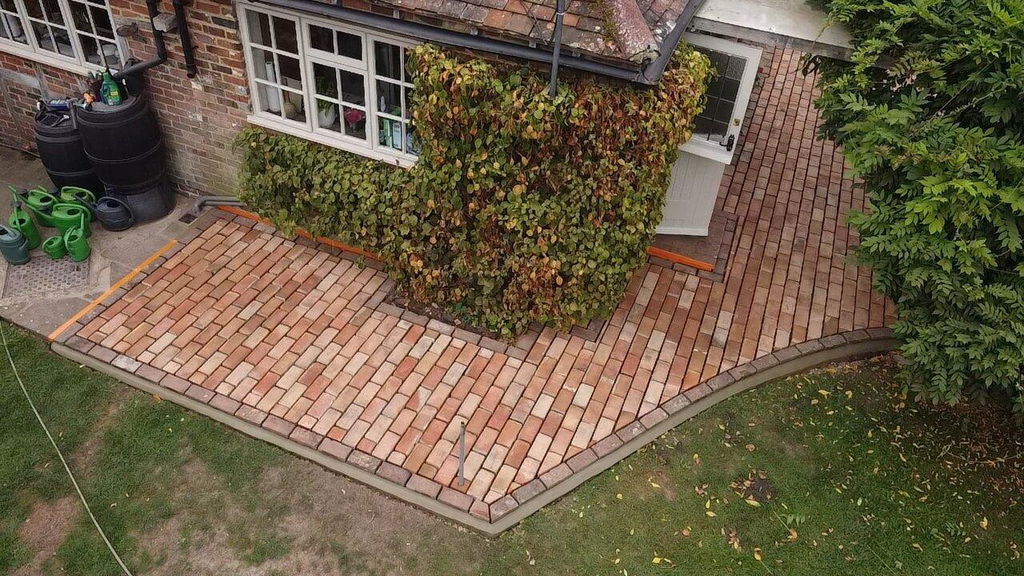
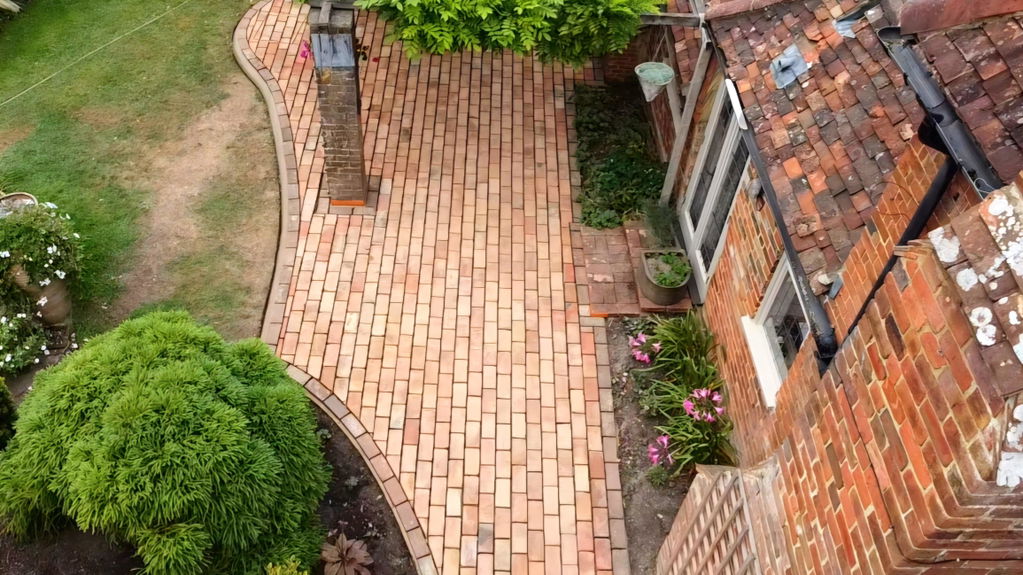
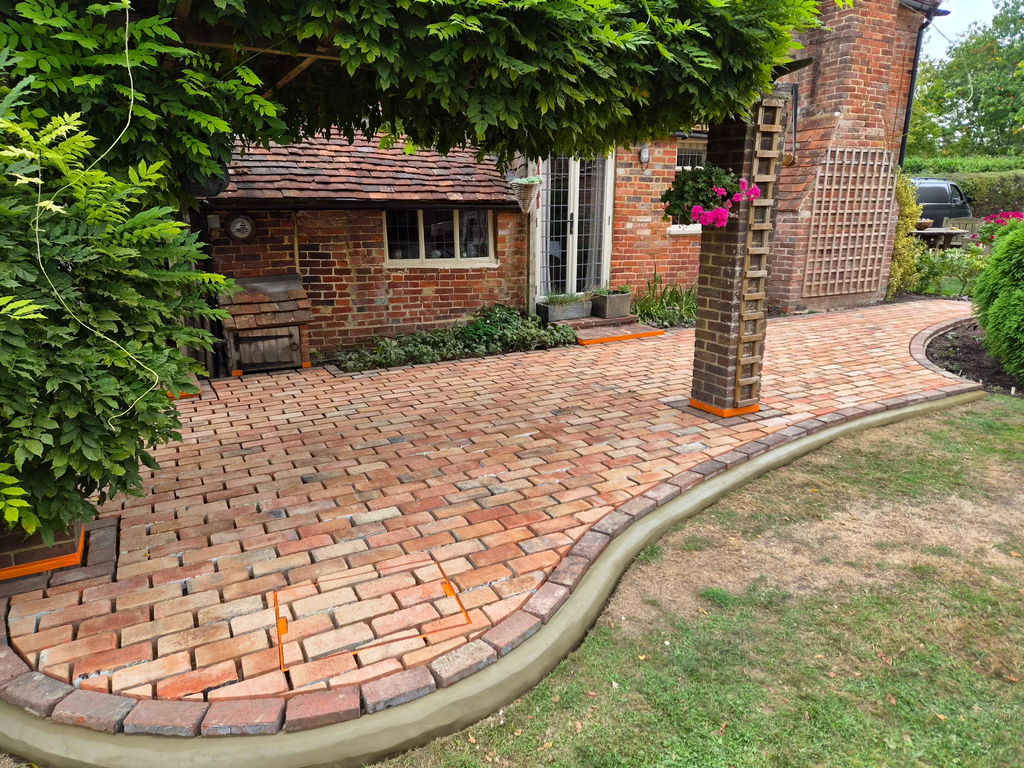
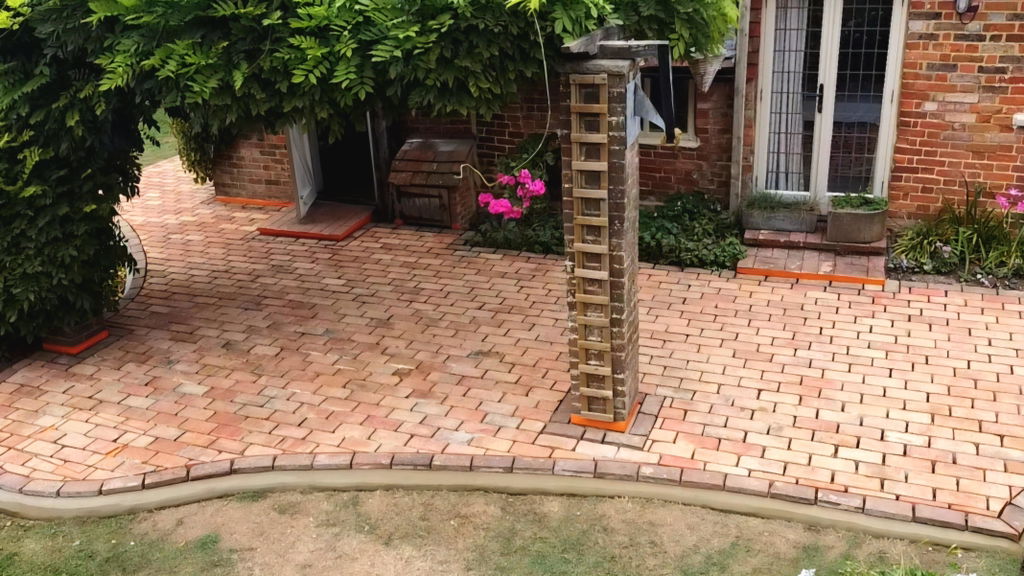
Cobble tops are not limited to driveways. In garden settings, they are widely used for paths, courtyards, seating areas and linking walkways between buildings. The key consideration here is comfort underfoot.
While reclaimed stone is naturally robust, the surface finish plays an important role in how it feels to walk on. For gardens and courtyards, many people prefer a softer profile that maintains grip without feeling overly rugged.
In these situations, reclaimed smooth granite cobble tops are often the better option. They offer the same durability as driveway cobbles but with a more comfortable walking surface, making them ideal for pedestrian-focused spaces.
Cobble tops work especially well in gardens where:
- A natural, informal look is preferred
- Paths curve rather than follow rigid straight lines
- Materials such as reclaimed brick, gravel or stone flags are also used
If you’re considering multiple outdoor areas, it’s common to combine both finishes within one project — using driveway-grade cobbles where vehicles are present and smoother cobbles in adjoining garden zones.
When Might Cobble Tops Not Be the Best Choice?
Although cobble tops are incredibly versatile, they are not the right solution for every project. Being clear about limitations helps avoid disappointment later.
Cobble tops may not be ideal if:
- You want a perfectly flat, uniform surface
- Minimal joint lines are a priority
- Installation depth is severely restricted
- You prefer a highly contemporary, seamless finish
In these cases, large format paving slabs or modern block paving may be more appropriate. That said, cobble tops are often introduced as borders or detailing alongside these materials, allowing you to retain character without committing to a full cobbled surface.
Understanding where cobble tops work best is covered in more depth in our guide to how and where reclaimed cobble tops are used, which explores design-led and practical applications in detail.
Maintenance: Are Cobble Tops High Effort?
One of the biggest concerns homeowners raise is maintenance. The good news is that reclaimed cobble tops are generally low-maintenance compared to many modern paving products.
Because the stone has already weathered naturally, it does not show wear in the same way new materials can. Minor marks, tyre shadows and surface changes tend to blend into the patina rather than standing out.
Typical maintenance is limited to occasional cleaning, basic weed control within joints, and periodic checks of pointing. Many people choose not to seal cobble tops at all, allowing them to continue ageing naturally.
If you’re comparing options, this long-term visual resilience is often a deciding factor in favour of reclaimed stone.
What About Cost and Value?
Cobble tops are sometimes perceived as expensive, but it’s important to consider value over lifespan rather than upfront cost alone. Reclaimed stone has already proven its durability over decades, and when installed correctly, it can outlast many modern alternatives.
Cost considerations usually come down to:
- Area size and layout complexity
- Installation method
- Sub-base requirements
- Whether cobble tops are used fully or as detailing
For a clear understanding of coverage, quantities and ordering, our cobble tops buying guide explains sizing, layout considerations and installation requirements in practical terms.
Installation: How Important Is the Groundwork?
Ground preparation is critical to the long-term success of any cobbled surface. While the stones themselves are exceptionally strong, performance depends on correct sub-base design, bedding and drainage.
In higher-traffic areas such as driveways, poor preparation can lead to settlement or movement over time. This is why we always recommend understanding the technical side of installation before committing.
If you want to go deeper into this, our guide on how to specify and install reclaimed stone cobble tops for long-lasting performance explains best practice in detail without cutting corners.
So — Are Reclaimed Cobble Tops Right for You?
Cobble tops are an excellent choice if you value:
- Character and authenticity
- Proven long-term durability
- A surface that improves with age
- Design flexibility across traditional and modern settings
They may be less suitable if you want a completely uniform, modern finish or minimal installation depth. For many projects, however, they strike a rare balance between practicality and visual appeal.
If you’re still weighing up options, browsing the full reclaimed cobble tops collection can help clarify which finish best suits your space.
Final Thoughts
Reclaimed cobble tops are not simply a decorative choice — they are a functional, time-tested paving solution with a unique ability to blend heritage character and modern performance. When chosen for the right setting and installed correctly, they offer exceptional longevity, visual depth and value.
By understanding where they shine and where alternatives may be better, you can make a confident, informed decision that suits both your project and your property.
RBC-B-147