Huge Discounts On Full Truck Load Orders! Contact Us

Free Nationwide Delivery on Full Packs Of Bricks! Shop Now

Nationwide Delivery Available On All Products Learn more

info@reclaimedbrickcompany.co.uk Phone: 0114 206 1113

Environmental Product Declaration

Our Environmental Product Declaration explains the verified life-cycle impacts of reclaimed bricks, offering clear carbon data and sustainability metrics to help architects and builders make informed, low-carbon choices.

EPD Introduction

Understanding the true environmental impact of the materials we build with has never been more important, and reclaimed bricks offer one of the most effective ways to reduce embodied carbon in construction. Our Environmental Product Declaration (EPD) provides independently verified, transparent data on the life-cycle performance of our reclaimed bricks from recovery and processing to transportation and end-of-life potential. As the first reclaimed brick supplier in the UK to publish a third-party-verified EPD, Reclaimed Brick Company is proud to lead the way in bringing scientific clarity and accountability to the reuse sector. This declaration quantifies the substantial carbon savings achieved by choosing reclaimed bricks over newly manufactured alternatives and demonstrates how reuse plays a vital role in circular construction. For architects, specifiers, contractors and environmentally conscious clients, the EPD serves as a trusted resource for Whole Life Carbon assessments, sustainable procurement, and compliance with emerging low-carbon standards. By making this data publicly accessible, we aim to support informed decision-making and promote the environmental, social, and economic value of reusing high-quality materials. Explore our EPD to understand the measurable difference reclaimed bricks can make to the sustainability of your next project.

What Is an EPD?

An Environmental Product Declaration is a Type III environmental label, compliant with EN 15804 + A2 and ISO 14025, and verified by an independent assessor. Unlike marketing claims or sustainability statements, an EPD provides quantified, scientific data on a product’s environmental impacts across its life cycle.

Key aspects measured include:

  • Global Warming Potential (CO₂e)
  • Energy use (renewable and non-renewable)
  • Resource consumption
  • Waste generation
  • Reuse and recyclability potential
  • End-of-life environmental impacts

EPDs are essential tools for:

  • Whole Life Carbon Assessments
  • Sustainable procurement decisions
  • BREEAM, LEED, and other certification schemes
  • Net-zero and carbon-reduction strategies
  • Transparent comparison between different building materials

By publishing our EPD, we ensure reclaimed bricks can be specified with the same level of environmental confidence and clarity as new manufactured products.

Life-Cycle Performance of Reclaimed Bricks


Unlike new bricks, reclaimed bricks bypass the most carbon-intensive stages of the lifecycle:

1. No extraction of raw materials

Reclaimed bricks are 100% secondary material, requiring zero virgin clay and therefore eliminating extraction impacts.

2. No high-temperature manufacturing process

New clay bricks must be fired in kilns at temperatures exceeding 1000°C — an energy-intensive process that involves burning natural gas or coal, accounting for the majority of their large carbon footprint. Reclaimed bricks avoid this completely, resulting in dramatically lower embodied carbon.

3. Low processing energy

The EPD shows that processing reclaimed bricks — cleaning, palletising, and preparing for resale — requires only 138 kWh per tonne, a fraction of the energy required to produce new bricks.

4. High end-of-life reuse potential

Our EPD assumes that 70% of bricks can be reused or recycled at end-of-life, maintaining material value in a circular system.

5. Long service life

The EPD assigns reclaimed bricks a Reference Service Life of 150 years, reinforcing their durability and suitability for both new-build and conservation projects.

Environmental Benefits: Reclaimed Bricks Vs New Bricks


1. Dramatically Lower Carbon Footprint

The EPD reports a cradle-to-gate Global Warming Potential of 20.4 kg CO₂e per tonne, with a “total GWP” of –3.18 kg CO₂e per tonne when circularity is accounted for.

This negative figure reflects the avoided burden of manufacturing and the reuse of existing materials.

By comparison, new clay bricks typically carry:

  • 250–350 kg CO₂e per tonne Or approximately 2.4–3.0 kg CO₂e per brick

Reclaimed bricks therefore offer one of the lowest embodied-carbon options available in mainstream construction.

2. Zero Manufacturing Emissions

Reclaimed bricks require:

  • No firing
  • No fuel-intensive processes
  • No primary extraction

This makes them vastly more sustainable than newly produced bricks, even those marketed as low-carbon alternatives.

3. Waste Reduction & Circularity

Choosing reclaimed bricks:

  • Diverts valuable heritage material from landfill
  • Reduces demolition waste
  • Encourages circular building practices
  • Eliminates resource depletion
  • Extends the life of historic fabric and materials

This aligns directly with UK policies on embodied carbon, waste reduction, and circular economy principles.

4. Supports Low-Carbon Construction Standards and Certifications

Projects using reclaimed bricks benefit from:

  • Lower life-cycle carbon scores
  • Improved BREEAM and LEED credits
  • Stronger sustainability narratives
  • Compliance with GLA, LETI, RIBA, and Part Z embodied carbon frameworks

5. Real Life Tested

Reclaimed Bricks , when it comes to 'low carbon' alternative building materials, they often have zero credible use data or real world . the use of Reclaiming Bricks has accrued for thousand of years and

  • BSI

Reclaimed bricks are no longer just an aesthetic or heritage choice — they are one of construction’s most effective carbon-saving solutions.

How Reclaimed Bricks Fit Into Major Green Building Frameworks

Summary of Reclaimed Brick Environmental Product Declaration

Key findings from the EPD include:

Carbon Footprint
  • Cradle-to-gate (A1–A3) GWP: 20.4 kg CO₂e per tonne
  • Total lifecycle GWP (A–C): –3.18 kg CO₂e per tonne
  • Material composition: 100% reclaimed clay brick
Energy Use
  • Energy consumption during processing: 138 kWh per tonne
  • No kilning, no primary production energy required
Circularity & Reuse
  • Secondary material content: 100%
  • Reuse/recycling rate at end-of-life: 70%
Service Life
  • Reference Service Life: 150 years
  • Demonstrates high durability, making reclaimed bricks suitable for long-term, low-maintenance applications.
Environmental Impact
  • Substantially reduced CO₂e emissions compared with new bricks
  • Lower resource consumption
  • Reduced construction waste
  • Strong alignment with circular economy goals
Conclusion

By publishing a verified Environmental Product Declaration, Reclaimed Brick Company is leading the way in transparent, science-based sustainability within the reclaimed materials sector. Our EPD allows specifiers and clients to confidently choose reclaimed bricks knowing their environmental performance is backed by independently verified data.

Reclaimed bricks consistently outperform new bricks in carbon footprint, resource efficiency, circularity and life-cycle performance. They demonstrate that the most sustainable building material is often the one that already exists.

Sustainable Building Projects Using Reclaimed Bricks

  • M&S ECO Store

    M&S Eco Store, an example of how Reclaimed Bricks & other recycled building materials can reduce the total carbon impact in construction projects.

    View project...

  • Reclaimed Brick Front Garden Wall in Truro

    Reclaimed Brick Front Garden Wall in Truro Driveway Retaining Wall Project Using Reclaimed Handmade Bricks in Cornwall.

    View Project...

  • Family Home Built Using Reclaimed Bricks, Nottingham - Reclaimed Brick Company

    House Build Project Using Reclaimed Bricks

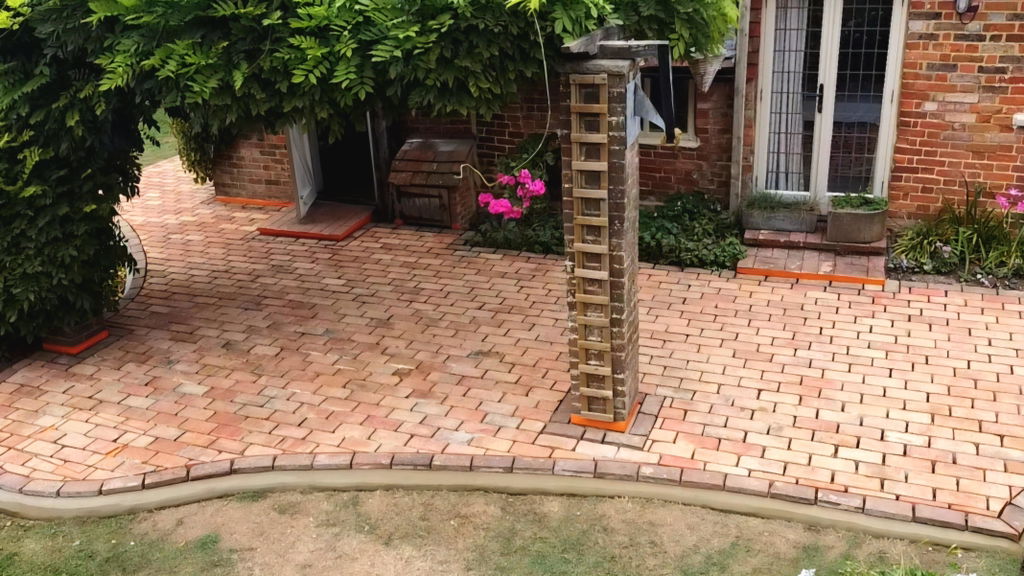
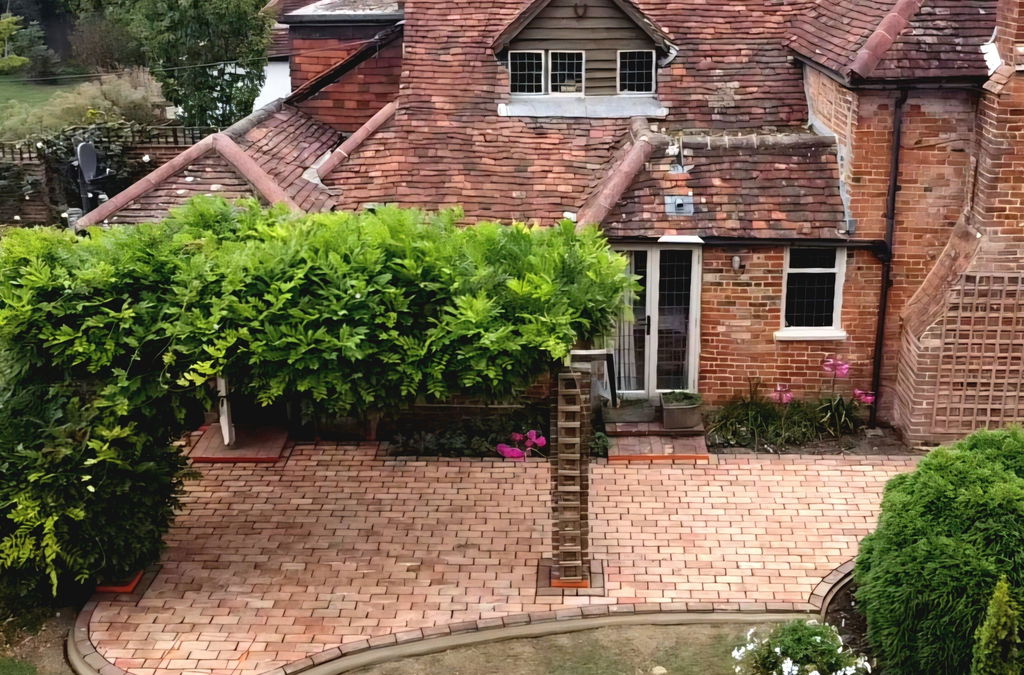
    Reclaimed Bricks were used to renovate and extend this countryside residence, transforming it into a beautiful family home with additional outdoor seating areas and double garage whilst retaining the character of the original building.

    View Project...

 Brick Reclamation Yard

Our Contact Information

Reclaimed Brick Company,
Clifton Works, Hillfoot Road
Sheffield, S3 8AA

Email: info@reclaimedbrickcompany.co.uk

Telephone: 0114 206 1113

Whatsapp: 07435516667

Opening Times:

Mon - Fri, 8:00am - 4:00pm
Saturday, 8:00am - 1:00pm
Sunday, Closed

Speak with a member of the Reclaimed Brick Team

If you would like to request a quote, need help, or want to ask us a question you can email us at info@reclaimedbrickcompany.co.uk or use the form below to get in touch.

Environmental Product Declaration for Reclaimed Bricks FAQs

What is an Environmental Product Declaration (EPD)?

An Environmental Product Declaration (EPD) is a verified document that provides transparent, standardised data on the environmental impact of a product throughout its lifecycle. It follows strict international standards (EN 15804 + A2 and ISO 14025) and is independently reviewed to ensure accuracy and comparability.

Why is an EPD important for reclaimed bricks?

An EPD scientifically demonstrates the environmental benefits of reclaimed bricks, including their extremely low embodied carbon and high circularity value. It transforms reclaimed bricks from an assumed “eco-friendly” choice into a quantified, verified low-carbon material that can be confidently specified in sustainable construction.

Are reclaimed bricks really better for the environment than new bricks?

Yes, significantly. Reclaimed bricks avoid the energy-intensive firing process required for new bricks and have a cradle-to-gate carbon footprint as low as 20.4 kg CO₂e per tonne, compared with 250–350 kg CO₂e per tonne for new bricks. When circularity is accounted for, the EPD shows a net negative carbon impact of –3.18 kg CO₂e per tonne.

How does the EPD calculate the carbon footprint of reclaimed bricks?

The carbon footprint is calculated using a detailed Life Cycle Assessment (LCA) that examines all stages of the reclaimed brick process; salvage, cleaning, transport, packaging, and end-of-life potential. Because reclaimed bricks are 100% secondary material, no emissions from clay extraction or kiln firing are included.

Can I use reclaimed bricks in Whole Life Carbon Assessments?

Yes. The verified EPD provides precise, standardised data that can be used directly in Whole Life Carbon Assessments (WLCA), BREEAM calculations, LEED assessments, and embodied-carbon reporting. This makes reclaimed bricks one of the simplest ways to achieve major carbon reductions on a project.

Are reclaimed bricks suitable for new-build projects or only restoration work?

Reclaimed bricks are suitable for both. Their verified environmental performance, durability, and aesthetic qualities make them ideal for new-build homes, commercial projects, extensions, landscaping and high-quality restoration work.

How long do reclaimed bricks last?

According to the EPD, reclaimed bricks have a Reference Service Life of 150 years. Many reclaimed bricks already have decades of proven performance in buildings, making them a highly durable and reliable material for long-term construction.

Do reclaimed bricks meet UK building standards?

Yes. When used in accordance with project requirements, reclaimed bricks can meet modern building standards. Many reclaimed bricks are also independently tested for compressive strength, water absorption and frost resistance, ensuring suitability for structural and external applications.

Can reclaimed bricks help my project meet sustainability certifications?

Absolutely. Using reclaimed bricks supports:

  • Lower embodied carbon scores
  • Higher performance in BREEAM and LEED categories
  • Circular economy requirements
  • Compliance with RIBA 2030, LETI and GLA benchmarks
  • Reduced construction waste targets

The EPD provides the data needed for certification submissions.

Where can I download the Reclaimed Brick EPD?


The full verified Environmental Product Declaration is available here:

https://reclaimedbrickcompany.co.uk/cdn/shop/files/Reclaimed_Brick_EPD_-_Reclaimed_Brick_Company.pdf