

Choosing reclaimed bricks is about more than finding a colour you like. The right bricks need to suit the building, match the dimensions of any existing brickwork and provide the finish your project requires. Their age, texture and natural variation give reclaimed bricks their character, but those same qualities make careful selection especially important.
Whether you are repairing a period property, building an extension or creating a garden wall, it helps to work through a few practical checks before ordering. This guide explains how to compare the different types of reclaimed bricks, calculate the quantity you need and plan for samples, delivery and installation.
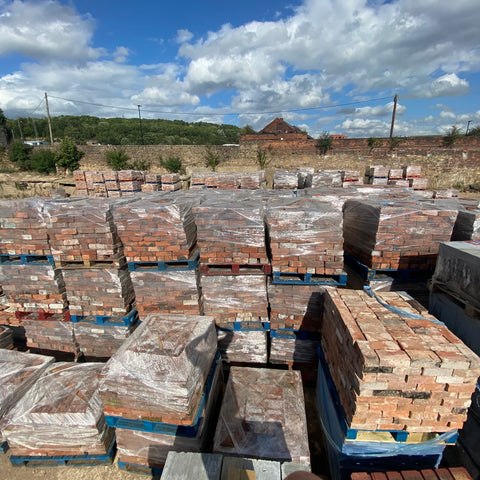
Start With the Needs of Your Project
Begin with the job the bricks must do. A close visual match may be the priority when repairing an old wall, whereas an extension may require enough bricks from a consistent batch to unite old and new work. A garden wall gives greater freedom to introduce mixed tones and weathered faces. Paths and patios have different demands again, so bricks intended for walling should not automatically be assumed suitable for use underfoot; explore products sold specifically as reclaimed paving bricks.
Consider the location, exposure, structural requirements and desired appearance before narrowing your choice. For load-bearing work, areas exposed to severe weather, below-ground applications, fireplaces or other demanding uses, confirm the specification with your builder, designer or structural professional and check that the chosen product is suitable.
Understand the Main Types of Reclaimed Brick
The way a brick was originally made influences its shape, texture and overall character. Reclaimed stocks can vary, but most products fall into three useful groups.
Reclaimed Handmade Bricks
Reclaimed handmade bricks often have softly irregular arrises, varied faces and subtle differences in colour and shape. These qualities make them particularly valuable for period repairs, traditional extensions and projects where a uniform modern finish would look out of place.
Reclaimed Pressed Bricks
Reclaimed pressed bricks generally have a more regular form and defined edges. They can be a good choice for Victorian and later buildings where a neater, more consistent face is required, although the appearance and dimensions should still be checked against the individual project.
Reclaimed Wirecut Bricks
Reclaimed wirecut bricks were formed by extrusion and cut to size with wires. They tend to be more regular than older handmade bricks and are commonly associated with later housing and industrial construction. Their colour, surface texture and degree of weathering can still vary considerably between batches.

Measure Carefully: Metric and Imperial Bricks
Brick size is one of the most important checks, particularly when you are tying new work into an existing wall. A standard modern metric brick is typically 215 mm long, 102.5 mm wide and 65 mm high, but older imperial bricks were produced in numerous dimensions. The description “imperial” does not guarantee one universal size.
Measure the length, width and height of the existing brick, and also note the mortar-joint thickness. Even a small difference in brick height can become obvious across several courses. If the work needs to blend with an existing property, use the company’s free brick-matching service. Clear close-up photographs, wider photographs of the elevation and accurate measurements will help the team identify the nearest available match.
Compare Colour, Texture and Weathering
A successful match rarely depends on colour alone. Look at the texture of the face, the sharpness or softness of the edges, surface marks, weathering and the balance of tones across the whole wall. Existing mortar colour and joint style also affect how the finished brickwork appears.
Reclaimed bricks naturally contain variation, even within the same pack. That is part of their appeal, but it means the finished wall should be considered as a blend rather than as a collection of identical units. Discuss with your supplier and bricklayer whether bricks should be mixed from several packs during installation to distribute the tones naturally.

Check Condition and Suitability
Quality reclaimed bricks are salvaged, cleaned, inspected and sorted before resale. Some chips, surface marks and differences in shape may be expected and can contribute to an authentic finish. However, appearance should not be confused with suitability: the requirements of a decorative garden wall are not necessarily the same as those of structural or highly exposed brickwork.
Ask how the bricks have been prepared and whether information is available for the particular batch. If your design depends on specific compressive strength, water absorption, frost resistance or another technical property, confirm the requirements before ordering and obtain professional advice where needed.
Calculate How Many Bricks You Need
Ordering the correct quantity starts with the wall area, but brick dimensions, mortar joints, wall thickness, bond pattern, openings and cuts can all affect the final number. The online Brick Calculator provides a useful starting estimate using your wall and brick measurements.
Check the result with your builder and allow an appropriate contingency for cutting, selection and accidental damage. Where appearance is important, it is sensible to secure the full quantity from the same available batch. Returning much later for additional bricks may make an exact continuation difficult because reclaimed stock is finite and naturally variable.
Order a Sample Before Committing
Screen colours and photographs cannot reproduce every variation in a reclaimed brick. A physical sample lets you assess the face texture, tone, dimensions and edge profile beside the existing building and under changing daylight. You can request reclaimed brick samples through an eligible product page, by contacting the team or by visiting the Sheffield reclamation yard.
Remember that a sample represents the general character of a reclaimed batch rather than promising that every brick will be identical. If possible, review several bricks or photographs of the wider batch, especially for a large or visually prominent project.
Compare the Full Cost, Not Just the Pack Price
Prices and pack quantities vary according to the brick type, age, rarity, condition and the work involved in reclaiming and preparing it. When comparing options, check the number of bricks in each pack, whether VAT and delivery are included, current availability and whether samples can be supplied.
A cheaper pack is not necessarily better value if the dimensions are wrong, the appearance does not suit the building or a higher allowance is needed for selection and cutting. Current prices and stock status should always be checked on the relevant collection or product page rather than relying on an older article.
Plan Delivery and Site Access
Bricks are heavy, palletised materials, so delivery access needs to be considered before checkout. Standard pallet deliveries normally require firm, level ground and sufficient access for a delivery vehicle. Larger orders may be delivered using specialist vehicles, including HIAB crane or Moffett options where arranged.
Review the latest delivery information and access requirements, including vehicle space, road access, overhead obstructions and the intended unloading point. If access is restricted or you require a particular unloading method, contact the team before ordering rather than assuming a standard service will be suitable.
Reclaimed Brick Buying Checklist
- Confirm the intended use and any technical requirements.
- Choose the most suitable brick type and finish.
- Measure the required brick dimensions and mortar joints.
- Compare colour, texture, weathering and batch variation.
- Calculate the quantity and agree a suitable contingency.
- Request a sample or brick match where appropriate.
- Check current pack size, price and stock availability.
- Confirm delivery access, unloading and project timings.
Frequently Asked Questions
Can reclaimed bricks exactly match existing brickwork?
A close match is often possible, particularly when size, colour, texture and age are considered together. Because reclaimed bricks and existing walls both contain natural variation, the aim is usually a sympathetic blend rather than a set of completely identical bricks.
Should I order a sample?
Yes, especially for extensions, repairs and prominent elevations. A sample helps you check the dimensions, tone and surface character in the location where the brick will be used.
How many extra reclaimed bricks should I order?
The appropriate contingency depends on the brick, wall design, cutting requirements and the amount of selection involved. Use the Brick Calculator for an initial estimate, then confirm the total with your builder and supplier before ordering.
Can any reclaimed brick be used for any project?
No. Suitability depends on the brick and the demands of the application. Confirm the requirements for structural work, exposed locations, paving, fireplaces and other specialist uses before purchasing.
Ready to Choose Your Reclaimed Bricks?
Start by exploring the full reclaimed brick collection. If you need help with measurements, matching, quantities or delivery, contact the Reclaimed Brick Company team before placing your order.
To learn more about what happens before reclaimed bricks are ready for reuse, read how reclaimed bricks are sourced and prepared.
(RBC-B-003)


