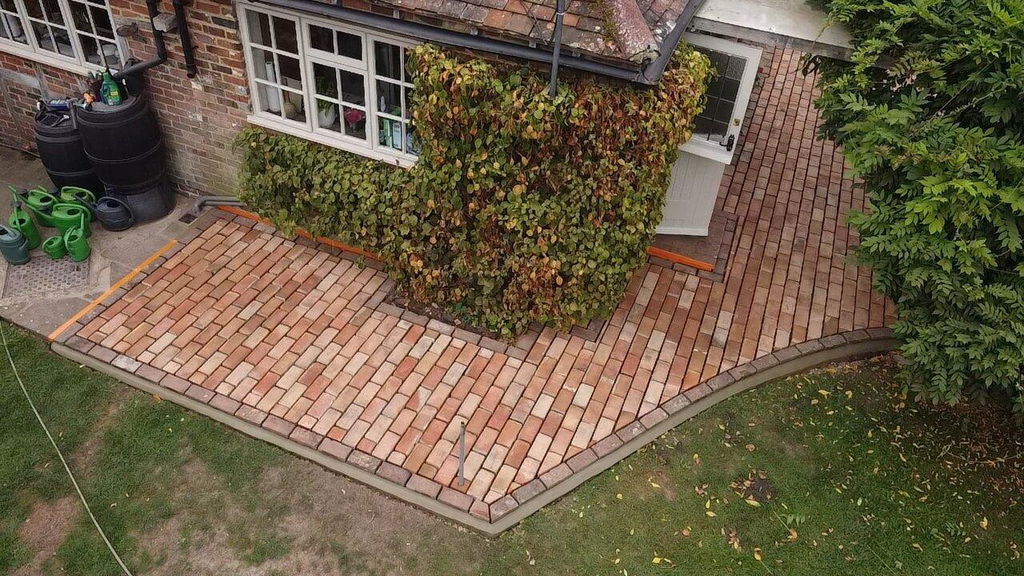
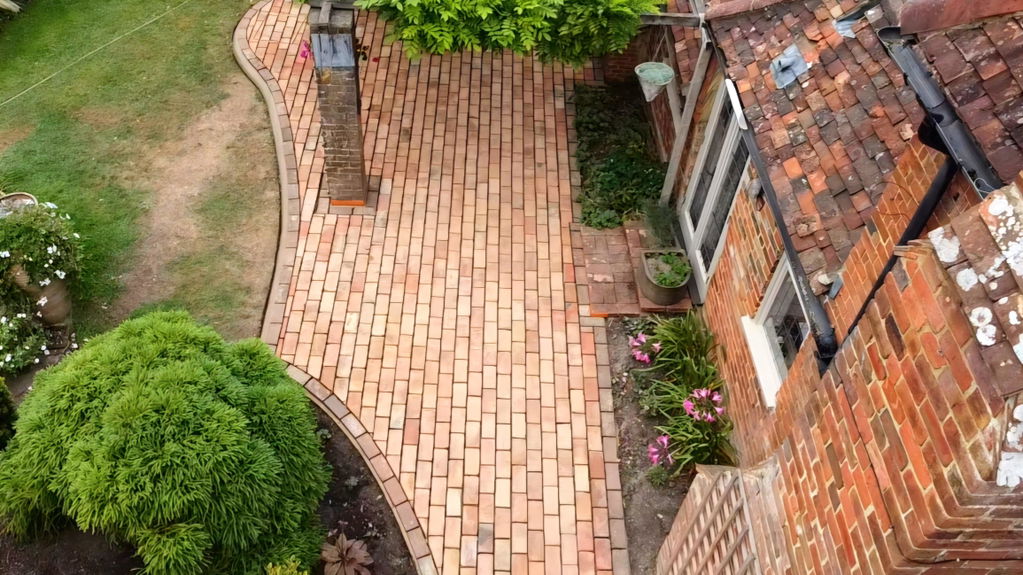
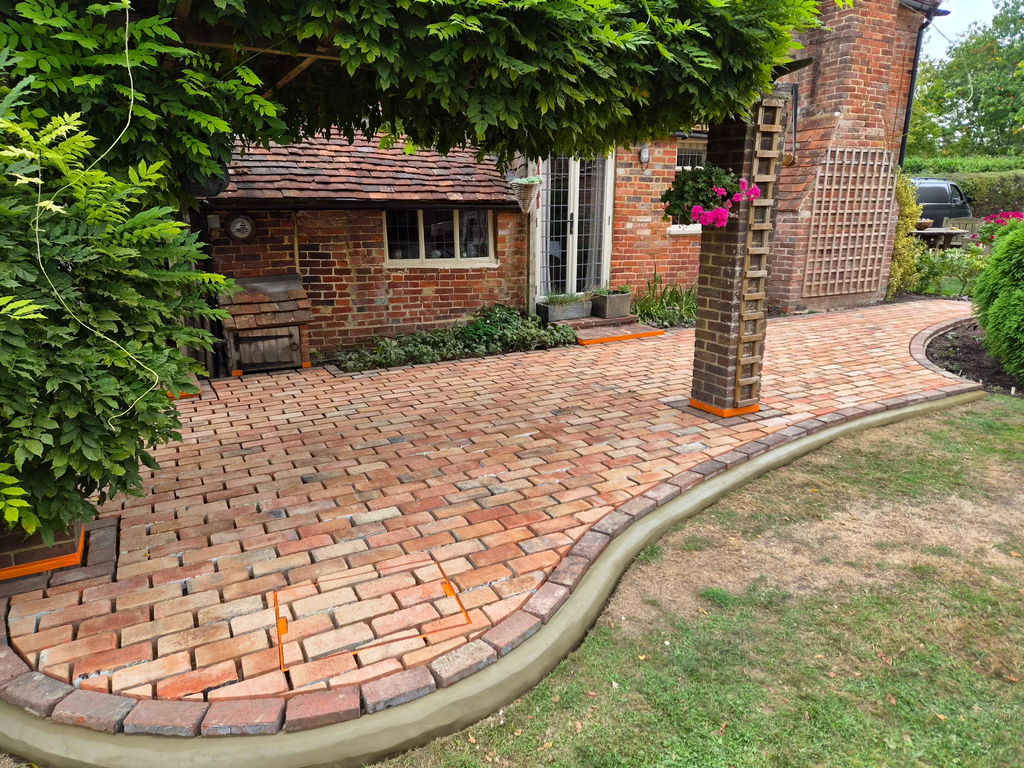
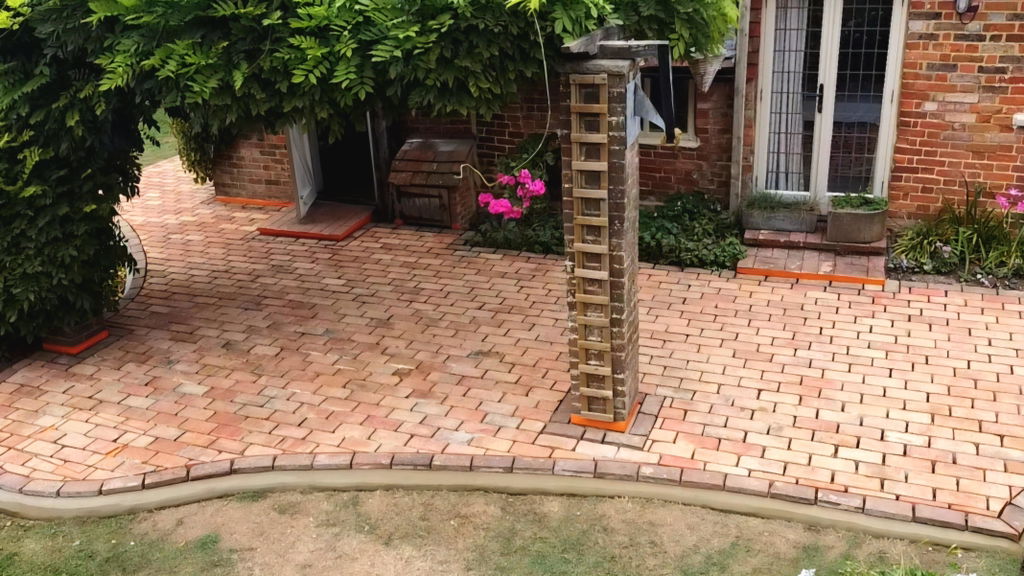
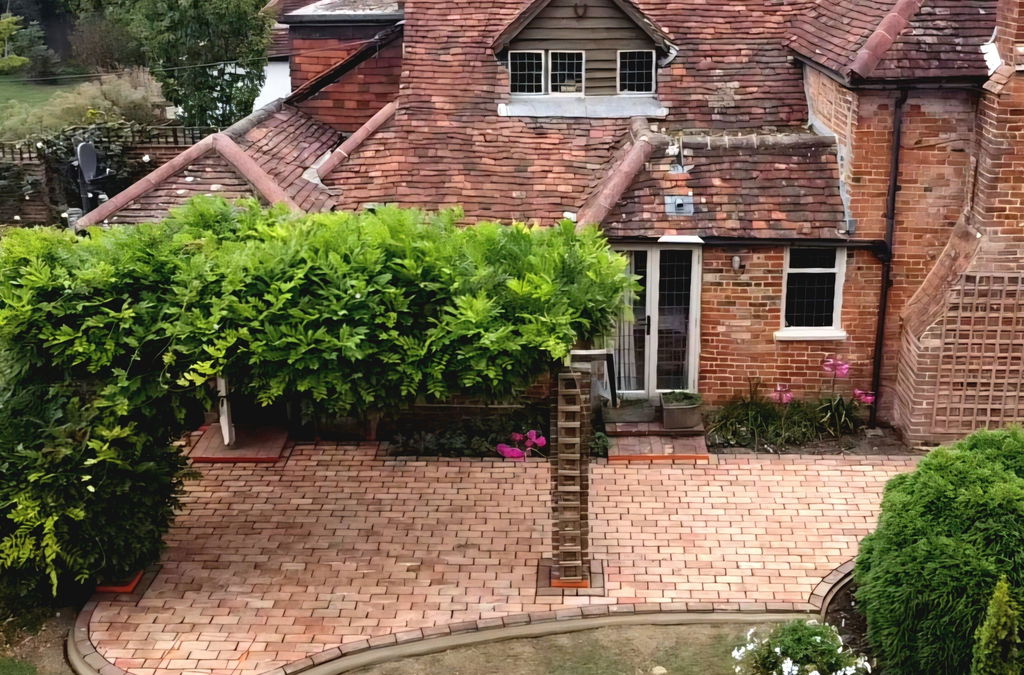
Choosing the right reclaimed cobble tops for your project is as much about understanding performance as it is about achieving the right visual finish. While these historic stone units are incredibly durable and versatile, the final result is shaped by sizing, layout style, installation method and correct ordering. This final section of the guide brings together everything you need to know to confidently specify, order and install reclaimed cobble tops for long-term success.
At Reclaimed Brick Company, our cobble tops are supplied as genuine reclaimed stone, carefully graded for quality and suitability across a wide range of residential and commercial applications. Two of the most popular options include the classic Reclaimed Granite Cobble Tops – Driveway Grade and the softer-profile Reclaimed Smooth Granite Cobble Tops each offering slightly different visual and practical characteristics depending on the setting.
Understanding Cobble Top Sizing & Natural Variation
Unlike modern concrete paving, reclaimed cobble tops are not manufactured to fixed, ultra-accurate dimensions. This natural variation is part of their visual appeal, but it’s also something that must be factored into layout design and coverage calculations.
Most reclaimed granite cobble tops fall within a broadly consistent size range, but individual stones may vary slightly in width, height and surface profile. This subtle irregularity is what produces the organic, historic feel that makes reclaimed stone so desirable. When laid, these slight size differences create gentle surface movement and visual rhythm rather than rigid grid lines.
Because of this, projects using reclaimed cobble tops should always allow for:
-
Natural tolerances between stones
-
Variable joint widths
-
On-site adjustment during installation
This flexibility during laying is what allows installers to create flowing curves, soft transitions and character-rich surfaces.
Coverage, Quantities & Ordering Practicalities
Reclaimed cobble tops are sold by coverage rather than by the individual unit. Because of variation in size and joint spacing, exact unit counts can vary slightly depending on layout style and installation method.
When planning quantities, it’s always good practice to:
-
Calculate the full square metre coverage of the area
-
Add a sensible allowance for cuts, wastage and design flexibility
-
Factor in edge detailing, borders or finishing rows
For larger driveways or complex layouts, many landscapers choose to order slightly more than the calculated area to ensure seamless continuity during installation. Any unused material can often be kept for future maintenance or resale.
Coverage guidance for both the driveway-grade option and the smoother garden-grade option is available directly on the product pages for reclaimed granite cobble tops and reclaimed smooth granite cobble tops making it easy to estimate requirements accurately at the planning stage.
Driveway vs Garden Suitability – Choosing the Right Finish
Although both styles of reclaimed cobble tops are made from dense, durable granite, the surface finish plays an important role in selecting the right option for your application.
Driveway-grade granite cobble tops retain a slightly more textured surface, offering enhanced grip for vehicle traffic and sloped driveway access. This added surface texture improves traction during wet, icy and high-use conditions, making it the preferred choice for vehicle areas, entrance aprons and wheel tracks.
In contrast, smooth granite cobble tops retain the same structural strength but offer a more softened surface finish. This makes them especially popular for garden paths, courtyards, terraces and internal courtyard spaces where comfort underfoot is just as important as durability.
In many projects, both styles are combined within the same layout. For example, driveway cobble tops may be used for the vehicle zones, while smooth cobble tops define adjacent pedestrian areas, seating zones or garden walkways.
Laying Methods, Bedding & Long-Term Stability
Despite their rustic appearance, reclaimed cobble tops demand professional installation to achieve a long-lasting result. The most important element of success is the structure beneath the stone.
For driveways, the process typically involves:
-
Excavation to the correct depth
-
Installation of a compacted MOT Type 1 sub-base
-
A full mortar bed for permanent fixing
-
Accurate jointing for stability and drainage
This method prevents long-term settlement and movement, ensuring that the surface remains level even under repeated vehicle load.
For garden paths, courtyards and decorative areas, some installers may use flexible bedding systems depending on the project design. However, permanent installations always benefit from a mortar-based approach to maximise stability.
Jointing material also plays a key role in performance. Traditional mortar pointing offers maximum strength, while resin-based jointing compounds can allow for greater flexibility and drainage in some installations.
Drainage, Falls & Water Management
Correct water management is essential for all external paving, and cobble tops are no exception. Because these stones are installed as individual units, they naturally assist surface water dispersal when laid with appropriate joint spacing and controlled falls.
During the design stage, installers will ensure that:
-
The finished surface directs water away from buildings
-
Drainage channels or soakaways are incorporated where required
-
Falls are subtle and correct rather than visually abrupt
This prevents surface pooling, protects surrounding structures and ensures the longevity of both the paving and the sub-base.
Sealing, Protection & Ongoing Aftercare
Reclaimed cobble tops are prized for their ability to age beautifully with minimal intervention. Many homeowners choose to leave them completely untreated, allowing natural weathering to continue enhancing the patina of the stone.
However, in certain settings, sealing may be chosen to:
-
Improve resistance to staining from oil or food
-
Reduce surface debris penetration
-
Enhance colour depth slightly
If sealing is used, breathable stone sealers designed specifically for granite and natural stone should always be selected.
Ongoing maintenance is straightforward and normally limited to:
-
Occasional pressure washing
-
Periodic joint inspection
-
Light weed control
-
Localised repointing when required
Because reclaimed cobble tops already carry historic wear, everyday marks rarely detract from their appearance and often add to their character.
Handling, Palletising & Delivery
Reclaimed cobble tops are supplied securely palletised to protect the stone during transport. Due to their weight, mechanical handling equipment is usually required on delivery to move pallets safely.
Delivery access, ground conditions and unloading space should always be considered in advance, particularly for residential sites with shared driveways or narrow access routes.
By ordering directly through the product pages for reclaimed granite cobble tops or reclaimed smooth granite cobble tops, customers can review coverage information, availability and delivery details at the time of purchase.
Frequently Asked Questions
One of the most common questions customers ask is whether reclaimed cobble tops are slippery. In practice, their naturally worn surface offers excellent slip resistance, particularly compared to modern polished porcelain and concrete paving.
Another frequent question relates to colour consistency. As a reclaimed material, natural tonal variation is to be expected. This variation is what gives cobble tops their depth and character, and it is considered a feature rather than a flaw.
Customers also often ask whether reclaimed cobble tops are suitable for modern properties. In fact, they are increasingly used alongside contemporary architecture to introduce warmth and texture into minimalist designs.
Why Buying Reclaimed from a Specialist Matters
Not all reclaimed stone is equal. True reclaimed cobble tops are sourced, inspected and graded to ensure consistent quality and performance. Poorly sorted material can contain excessive breakages, unsuitable thickness variation or contamination from previous installations.
By purchasing through a specialist reclaimed materials supplier, customers benefit from:
-
Carefully graded stone
-
Reliable coverage guidance
-
Consistent pallet selection
-
Nationwide delivery
-
Expert technical support
This ensures every project achieves the correct balance of character, performance and longevity.
Final Thoughts: A Paving Material That Improves With Time
Reclaimed cobble tops stand apart from almost every other paving product on the market. They are not just surface materials — they are components of architectural heritage that continue to perform decades after their original installation.
Whether used for a full driveway, a garden courtyard, a commercial forecourt or architectural detailing, cobble tops deliver unmatched authenticity, structural performance and long-term visual value.
By choosing reclaimed, you are not only investing in durability and character, but also supporting sustainable building practices that reduce waste, conserve natural resources and extend the life of historic materials into a new generation of projects.
RBC-B-141