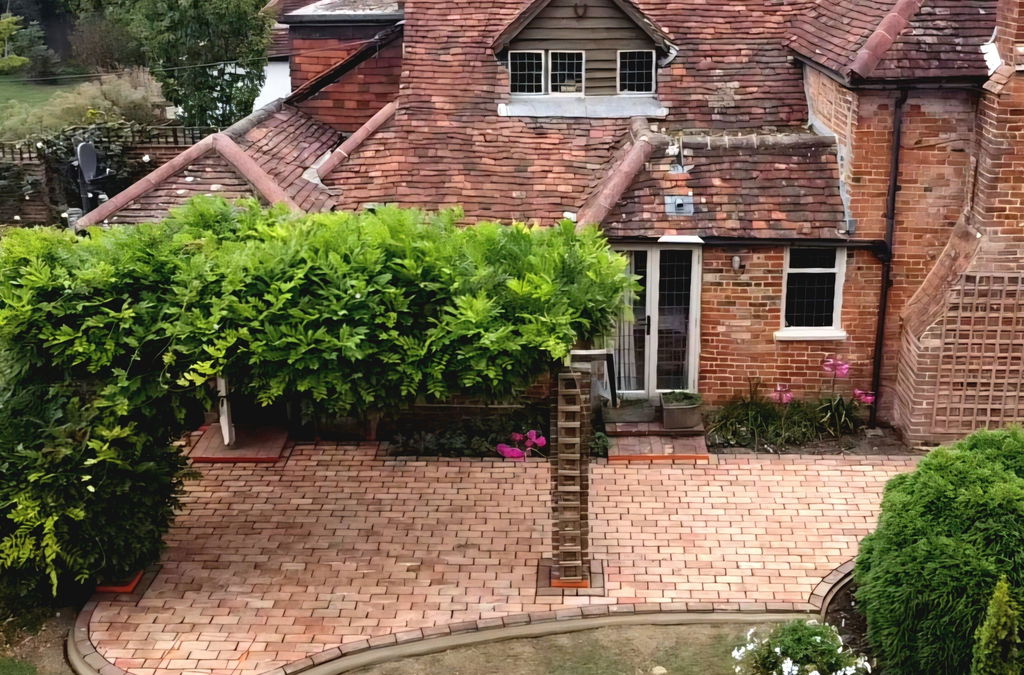
Heritage Roof Tile Installation Guide
Installing heritage roof tiles is about far more than covering a building from the weather. On a period property, listed building, barn conversion or traditional extension, the roof plays a major role in how authentic the whole project feels. The wrong tiles, poor detailing or unsympathetic installation can quickly make even a well-designed restoration look out of place.
For many heritage projects, reclaimed roof tiles and natural slate remain the preferred choice because they offer the age, texture, colour variation and proven durability that new materials often struggle to replicate. Whether you are repairing a small section of roof or planning a complete re-roof, choosing the right materials and installing them correctly is essential.
This guide explains how heritage roof tiles should be installed, what to consider before work begins, and why reclaimed roofing materials require careful handling, accurate setting out and experienced workmanship.
What Are Heritage Roof Tiles?
Heritage roof tiles are roofing materials chosen to suit traditional buildings, period architecture and conservation-led projects. They may include reclaimed natural slate, handmade clay tiles, clay pantiles, stone slates or other traditional roof coverings depending on the age, region and style of the property.

Unlike modern uniform roof tiles, heritage materials often display natural variation in colour, size, thickness and texture. This is not a defect. It is part of what gives a traditional roof its character. On older properties, a completely uniform roof can sometimes look too new, particularly when the surrounding brickwork, stonework or roofline has weathered over many decades.
Reclaimed roof tiles are especially useful where a roof needs to blend with existing materials. They are commonly used for period property repairs, listed building work, conservation areas, farmhouse restorations, cottages, churches, outbuildings and sympathetic extensions.
Why Reclaimed Roofing Materials Need Careful Installation
Reclaimed roofing materials have already proved their durability, often over many decades. However, they still need to be sorted, graded and installed correctly if they are to perform well on a new project. If you're interested in why natural slate has remained one of Britain's most trusted roofing materials for centuries, read our guide to why slate is used for roofing.
Natural slate, for example, is extremely long-lasting, but each slate may vary slightly in thickness or surface texture. Reclaimed clay tiles may show small differences in colour, shape and weathering. These qualities are what make reclaimed materials attractive, but they also mean installation requires more care than simply laying modern factory-made tiles from identical batches.
Before installation, reclaimed tiles should be checked for cracks, excessive delamination, damaged fixing holes, heavy distortion or signs of weakness. A good roofer will sort materials before laying begins, often reserving the best and most consistent tiles for the most visible elevations.
When Should You Use Reclaimed Roof Tiles?
Reclaimed roof tiles are particularly suitable where visual authenticity matters. They help a roof sit naturally within its setting, especially on older buildings where new tiles may look too sharp, too flat or too consistent in colour.
They are commonly specified for:
- Period property roof repairs
- Listed buildings and conservation projects
- Farmhouse and cottage restorations
- Barn conversions and rural developments
- Traditional extensions
- Churches, schools and civic buildings
- Repairs where existing tiles need to be matched
- High-quality new builds with a traditional appearance
They can also be a more sustainable choice, helping reduce demand for newly manufactured materials while giving high-quality roof coverings a second life.
Assessing the Existing Roof Before Installation
Before any heritage roof tile installation begins, the existing roof structure should be carefully inspected. This is particularly important on older properties, where previous repairs, movement, damp ingress or timber decay may not be immediately obvious from ground level.
The following should be checked before work starts:
- Condition of rafters and supporting timbers
- Roof pitch and suitability for the selected tile or slate
- Existing batten layout and ventilation
- Condition of underlay or sarking
- Chimneys, valleys, hips, ridges and abutments
- Leadwork, flashings and rainwater goods
- Any signs of historic water ingress
Reclaimed roofing materials should not be used to disguise deeper roof structure problems. If the underlying roof is uneven, poorly ventilated or incapable of supporting the chosen materials, the finished roof may fail regardless of how good the tiles themselves are.
Preparing the Roof Structure and Underlay
A successful roof starts with sound preparation. Rafters should be secure, properly aligned and capable of carrying the weight of the selected roof covering. Any rotten, damaged or inadequate timbers should be repaired or replaced before the roof covering is installed.
Modern breathable roofing membranes are commonly used as a secondary barrier beneath tiles and slates. These should be installed in accordance with the relevant manufacturer guidance and current roofing standards, with suitable laps and correct drainage into the gutter system.
On some traditional buildings, particularly historic or listed properties, the use of modern membranes may need to be considered carefully alongside ventilation requirements and conservation guidance. Where original roof construction methods are being retained, advice from an experienced roofer, architect or conservation professional may be required.
Fixing Battens Correctly
Roof battens provide the fixing framework for the tiles or slates, so accuracy at this stage is essential. Incorrect batten spacing can affect headlap, alignment, water run-off and long-term weather resistance.
The batten gauge must be set according to the roof pitch, tile size, slate size and required headlap. Reclaimed materials should be measured carefully because they may not be as uniform as newly manufactured tiles.

A good installation will take account of:
- Roof pitch
- Tile or slate length
- Required headlap
- Exposure to wind-driven rain
- Condition and size variation of reclaimed tiles
- Manufacturer or material-specific fixing guidance where relevant
Taking time to set out the battens correctly helps avoid poor alignment, uneven courses and vulnerable areas where water can be driven beneath the roof covering.
Laying Reclaimed Roof Tiles and Slate
Most heritage roof tiles and slates are laid from the eaves upwards, allowing each course to overlap the one beneath. This creates a weather-resistant covering that directs rainwater down the roof and into the gutter system.
With reclaimed materials, sorting and blending are especially important. Tiles should be mixed from different pallets or batches to avoid obvious patches of colour or texture variation. Thicker or slightly heavier slates may need to be positioned carefully so the roof sits neatly without creating uneven lines.
Where slate is being used, the courses should be set out to maintain the correct headlap and side lap. Fixings must be appropriate for the material, roof pitch and exposure level. Nails or hooks should secure the slate without causing stress or cracking.
Clay tiles, pantiles and other traditional coverings each have their own laying requirements, particularly around side laps, nibs, fixings and verge details. The installer should understand the specific roof covering being used rather than applying a generic approach.
Fixing and Securing Heritage Roof Tiles
The fixing method will depend on the roof covering, pitch, exposure, location and current building requirements. Tiles at eaves, verges, ridges, hips and roof edges often require more secure fixing because they are more exposed to wind uplift.
It is important not to over-fix or force heritage materials into position. Reclaimed tiles and slates should sit naturally, with enough tolerance to accommodate normal movement. Over-tightening fixings can crack tiles, distort the roofline or create stress points that shorten the life of the roof covering.
Where reclaimed slate is being re-holed, this should be done carefully using suitable tools to avoid splitting the slate. Slates with damaged fixing holes should be rejected or reserved only for appropriate cutting and detailing work.
Ridges, Hips, Valleys and Verges
The main roof covering is only one part of a successful heritage roof. The detailing around ridges, hips, valleys, abutments and verges is equally important for both performance and appearance.


Ridge and hip tiles should be aligned carefully and fixed securely. Depending on the project, they may be bedded in mortar or installed using appropriate dry-fix systems. On older buildings, the visual finish should be considered carefully so the roof does not look overly modern or out of keeping.
Valleys need particular attention because they carry large volumes of water. Poor valley detailing can quickly lead to leaks, especially where reclaimed materials have been installed without sufficient overlap or correct cutting.
Verges should provide a neat edge while protecting the roof from wind-driven rain. Mortar, dry verge systems or traditional detailing may be used depending on the roof type, building style and conservation requirements.
Can Reclaimed Roof Tiles Be Mixed with Existing Roof Coverings?
Yes, reclaimed roof tiles are often used specifically to match or blend with existing roof coverings. This is one of their biggest advantages.
For patch repairs, extensions and partial re-roofing, reclaimed materials can help avoid the stark contrast that sometimes occurs when new tiles are installed alongside old ones. However, matching should be done carefully. Colour is important, but it is not the only consideration.
You should also compare:
- Tile or slate size
- Thickness
- Profile
- Texture
- Fixing method
- Degree of weathering
- Regional character
On prominent elevations, even small differences can be noticeable. Where possible, sample tiles should be compared on site in natural daylight before the final selection is made.
Common Installation Mistakes to Avoid
Many roofing problems are caused by small errors during installation rather than the roofing materials themselves. With heritage and reclaimed roof tiles, attention to detail is especially important.
Common mistakes include:
- Using reclaimed tiles without proper sorting and grading
- Incorrect batten spacing
- Insufficient headlap
- Poor blending of colours and textures
- Using unsuitable fixings
- Forcing uneven reclaimed tiles into position
- Poor valley, verge or ridge detailing
- Ignoring ventilation requirements
- Installing materials on an unsuitable roof pitch
- Failing to replace damaged roof timbers before laying begins
These issues can affect both the appearance and long-term performance of the roof. A heritage roof should look authentic, but it must also function properly as a weather-resistant building element.
Do You Need a Professional Roofer?
For most heritage roofing projects, professional installation is strongly recommended. Working at height is dangerous, and traditional roofing materials require experience to handle, set out and fix correctly.
This is especially important for listed buildings, conservation areas and period properties where the roof may need to satisfy both practical and aesthetic requirements. A skilled roofer will understand how to work with reclaimed materials, manage natural variation and maintain the character of the building while ensuring the roof remains weatherproof.
Homeowners may be able to handle small outbuilding repairs if they have suitable experience, but complete re-roofing, slate work, valleys, hips, chimneys and structural preparation should generally be left to professionals.
Maintaining a Heritage Roof After Installation
Once installed, a heritage roof should be inspected regularly but not over-maintained. Natural slate and high-quality reclaimed roof tiles are designed to weather over time. A small amount of colour variation or natural ageing is not usually a problem.
Good maintenance includes checking for slipped or cracked tiles, clearing gutters and valleys, removing excessive moss where necessary and ensuring rainwater drains freely from the roof. If your roof is covered with natural or reclaimed slate, our guide on how to clean slate tiles explains the safest methods for removing moss and dirt without damaging the roof.
Choosing the Right Reclaimed Roofing Materials
The success of a heritage roof depends heavily on selecting materials that suit the property. A tile that looks right on a rural cottage may not be suitable for a Victorian terrace, church roof or Georgian townhouse.
When choosing reclaimed roof tiles, consider:
- The age and architectural style of the building
- Existing roof covering and surrounding properties
- Local planning or conservation requirements
- Roof pitch and exposure
- Tile or slate size
- Colour, texture and surface weathering
- Availability of sufficient matching quantities
For repair work, close matching is often the priority. For a complete roof replacement, there may be more flexibility, but the chosen material should still feel appropriate to the building and its setting.
Reclaimed Brick Company supplies a wide range of reclaimed roofing materials suitable for restoration, repair and traditional building projects across the UK. Our team can help homeowners, builders, architects and conservation professionals source materials that match the character and requirements of each project.
FAQ: Heritage Roof Tile Installation
Can reclaimed roof tiles be reused?
Yes, reclaimed roof tiles can often be reused if they are sound, properly sorted and suitable for the project. Each tile should be checked for cracks, weakness, excessive wear or damaged fixing points before installation.
Are reclaimed roof tiles suitable for listed buildings?
Reclaimed roof tiles are often suitable for listed buildings because they help preserve the traditional appearance of the roof. However, listed building work may require approval, so it is important to check with the local authority or conservation officer before starting.
Can reclaimed slate be installed like new slate?
Reclaimed slate follows many of the same installation principles as new slate, but it requires additional sorting, grading and careful handling. Variations in thickness, size and previous fixing holes must be assessed before laying begins.
How important is batten spacing when installing heritage roof tiles?
Batten spacing is extremely important. Incorrect spacing can reduce headlap, affect water run-off and leave the roof vulnerable to wind-driven rain. Reclaimed materials should be measured carefully before the batten gauge is set.
Do reclaimed roof tiles need to be mixed before laying?
Yes. Mixing tiles from different pallets or batches helps blend colour, texture and weathering across the roof. This avoids obvious patches and creates a more natural, balanced appearance.
Can reclaimed roof tiles be used on extensions?
Yes, reclaimed roof tiles are often used on extensions where the new roof needs to sit naturally alongside an existing property. They are especially useful for period homes, cottages, barn conversions and conservation area projects.
How long do reclaimed roof tiles last?
The lifespan depends on the material and its condition, but high-quality reclaimed slate and clay roof tiles can last for many decades when installed correctly and maintained sensibly.
Should heritage roof tile installation be done by a professional?
In most cases, yes. Heritage roof tile installation requires knowledge of traditional materials, roof pitch, headlap, fixing methods, ventilation and detailing. Professional installation is particularly important on listed buildings and complex roof structures.
Conclusion
A successful heritage roof tile installation depends on more than simply choosing attractive materials. The roof structure must be sound, the battens accurately set out, the tiles correctly sorted and blended, and every ridge, verge, hip and valley carefully detailed.
For period properties and restoration projects, reclaimed roof tiles and natural slate offer an authenticity that new materials often cannot match. Their colour variation, texture and proven durability help a roof sit comfortably within its surroundings while preserving the character of the building.
Whether you are repairing a small section of roof, matching existing tiles or planning a complete restoration, choosing the right reclaimed roofing materials is essential. Reclaimed Brick Company supplies carefully sourced reclaimed roof tiles, slate and traditional building materials for homeowners, builders, architects and conservation professionals across the UK.
(RBC-B-162)