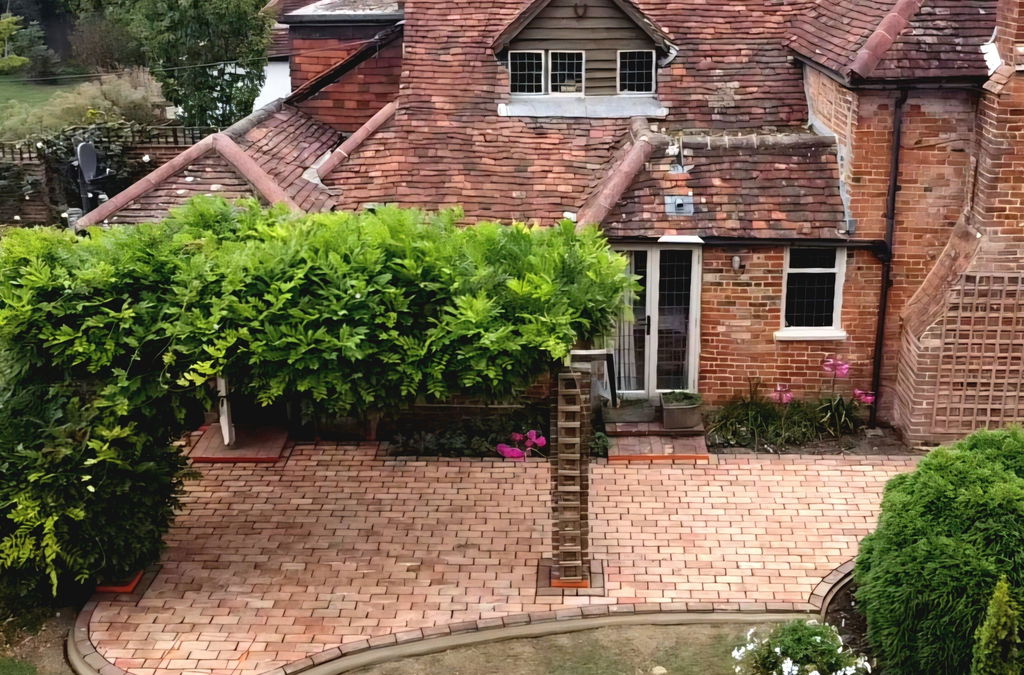
From Empty Shell to Timeless Home:
How Stone Cladding Can Transform a Building Project
A modern extension can add valuable space to a home, but space alone does not always create character. Many new extensions are practical, bright and well-built, yet still feel like plain white boxes attached to an older property. The structure may be right, the glazing may be impressive, and the layout may work perfectly, but something can still feel missing.
That missing element is often texture, warmth and a sense of permanence.
This is where stone cladding can completely change the feel of a building project. Used well, it can transform an empty shell of breeze block, steel, timber and glazing into a warm, timeless living space that feels considered, established and full of character.
Whether you are planning a kitchen extension, open-plan dining area, garden room, oak-frame style living space or full renovation, reclaimed and natural materials can help bridge the gap between old and new. Instead of creating an extension that feels separate from the original property, stone cladding can help the finished space feel as though it has always belonged there.
Why So Many Modern Extensions Can Feel Too Plain
Modern extensions are often designed around light, space and simplicity. Large openings, bi-fold doors, roof lanterns and open-plan layouts are all popular features, and for good reason. They create bright, flexible areas that suit modern family living.
However, when every surface is smooth, white and newly finished, the result can sometimes feel flat. Plasterboard walls, tiled floors, aluminium doors and minimalist kitchens may look clean, but they do not always bring the warmth or depth many homeowners are looking for.
This is especially true when extending older homes, cottages, converted barns or traditional properties. A very modern extension can look impressive in isolation, but it may not always sit comfortably alongside the original building.
Introducing reclaimed materials is one of the most effective ways to soften that contrast. Reclaimed stone, brick, timber and roof tiles bring natural variation, surface texture and a sense of age that new materials often struggle to replicate.
From Empty Shell to Finished Living Space
At the early stage of a build, an extension can be difficult to visualise. Breeze block walls, exposed openings, roof timbers and unfinished floors rarely give a true sense of what the completed space will become.
Yet this is the stage where the most important design decisions are made.
Choosing where to introduce stone cladding, whether internally or externally, can completely alter the final result. A plain wall can become a feature. A kitchen-dining area can gain warmth and depth. A large open-plan space can feel grounded rather than empty.
Stone cladding works particularly well because it adds character without requiring the full structural depth of traditional stone walling. It allows homeowners and builders to create the appearance of a traditional stone finish while working within the practical requirements of a modern extension.
Using Stone Cladding Inside an Extension
Interior stone cladding can be one of the most dramatic features in a finished extension. It works especially well in open-plan kitchen, dining and living spaces, where large wall areas can otherwise feel plain.

Popular internal uses include:
- Kitchen feature walls
- Dining room backdrops
- Living room walls
- Fireplace surrounds
- TV feature walls
- Garden room interiors
- Oak-frame style extensions
When paired with exposed oak trusses, timber beams, natural flooring and large areas of glass, stone cladding helps create a balance between rustic character and modern comfort. The result is not old-fashioned, but timeless.
This is particularly effective in kitchen extensions, where the space needs to feel both practical and welcoming. A stone feature wall behind a dining area or seating space can add the warmth needed to prevent the room feeling too clinical.
Bringing the Outdoors In
One of the strongest design trends in modern extensions is the connection between inside and outside. Bi-fold doors, sliding doors and large glazed openings are often used to bring natural light into the home and create a seamless link with the garden.
Stone cladding supports this idea beautifully.
Using stone internally can echo the materials used outside, creating a natural flow between the garden, patio and interior living space. Rather than feeling like a sharp divide between indoors and outdoors, the building begins to feel connected to its surroundings.
This is particularly useful for homes in rural locations, period properties and projects where the homeowner wants the extension to feel more sympathetic to the existing building.
Exterior Stone Cladding for Character and Kerb Appeal
Stone cladding is not only useful inside the home. It can also make a major difference to the exterior appearance of an extension.
Externally, stone cladding can help soften the look of a new build or extension, especially where the original property already includes traditional brick, stone or reclaimed materials. Used across a full elevation or selected feature areas, it can help the new structure feel less like an add-on and more like part of the overall property.
It can be particularly effective around:
- Extension elevations
- Garden rooms
- Entrance features
- Boundary walls
- Outdoor kitchens
- Feature gables
- Garage conversions
The key is choosing a finish that complements the building rather than overpowering it. The right stone colour, texture and coursing style can make a dramatic difference to the final appearance.
Why Reclaimed Materials Add More Than Just Texture
Reclaimed materials carry a sense of history. Their colour variation, worn edges and natural imperfections help create a finish that feels more authentic than something perfectly uniform.
For homeowners who want a building project to feel established rather than newly installed, this matters.
At Reclaimed Brick Company, we regularly see customers looking for materials that bring more character to renovation and extension projects. This might include reclaimed bricks, reclaimed roof tiles, stone features or architectural salvage pieces that help a project feel more individual.
Stone cladding fits naturally into this approach. It gives homeowners the opportunity to introduce the look and feel of traditional stonework without necessarily rebuilding entire walls in full-depth stone.
Pairing Stone Cladding with Oak Trusses and Natural Finishes
Stone and oak are a classic combination. Both materials bring warmth, strength and natural variation, making them ideal for extensions where the aim is to create a characterful living space.
Exposed oak trusses or beams can make a roof structure feel like part of the design rather than just a construction element. When combined with stone cladding, the result is a space that feels crafted rather than simply fitted out.
This approach works particularly well in larger open-plan rooms where high ceilings and glazed openings could otherwise make the room feel too open or stark. Stone walls help anchor the space, while oak details add warmth overhead.
Choosing the Right Stone Cladding for Your Project
The best stone cladding choice depends on the style of the property, the surrounding materials and the atmosphere you want to create.
For traditional homes, a more rustic or weathered stone effect may be the most appropriate. For modern extensions, a cleaner, more consistent stone finish may work better, particularly when paired with contemporary glazing and kitchen finishes.
Before choosing, consider:
- The age and style of the existing property
- The colour of surrounding brickwork or stonework
- Whether the cladding will be used internally, externally or both
- The amount of natural light in the space
- The flooring, kitchen units and timber details being used
- Whether you want a rustic, traditional or more refined finish
Samples can be especially useful, as stone often looks different depending on the lighting and surrounding materials.
Stone Cladding as Part of a Wider Reclaimed Design
The most successful projects rarely rely on one material alone. Stone cladding often works best when it forms part of a wider palette of natural and reclaimed materials.
For example, a kitchen extension might combine stone cladding with reclaimed brick detailing, timber trusses, natural flooring and traditional roof tiles. A garden room might use stone cladding internally with reclaimed brick landscaping outside. A period property extension might use reclaimed roof tiles to help the exterior blend with the existing home.
This layered approach creates a more believable finish. Instead of one feature wall doing all the work, the whole project feels more carefully considered.
Common Mistakes to Avoid
Stone cladding can create a beautiful finish, but it needs to be used carefully. Too much stone in the wrong place can feel heavy, while the wrong colour choice can clash with the existing building.
Common mistakes include:
- Choosing a stone colour that does not suit the original property
- Using too many competing feature materials
- Installing stone cladding without considering lighting
- Treating the feature wall as an afterthought
- Forgetting how the interior and exterior finishes work together
The best results usually come when stone cladding is considered early in the design process, rather than added at the end to fill an empty wall.
FAQs About Stone Cladding Extensions
Can stone cladding be used inside a kitchen extension?
Yes. Stone cladding is well suited to kitchen extensions, dining spaces and open-plan living areas. It can create a warm feature wall and works particularly well with timber beams, natural flooring and large glazed doors.
Does stone cladding suit modern extensions?
Yes. Stone cladding can soften the appearance of a modern extension and help it feel warmer and more established. It works especially well when combined with contemporary glazing and natural materials.
Can stone cladding be used externally?
Yes. Many stone cladding products are suitable for exterior use, although the correct product, substrate and installation method are important. Always check suitability before installation.
Is stone cladding a good way to add character?
Stone cladding is one of the most effective ways to add texture, warmth and visual interest to a building project. It can help a plain extension feel more timeless and connected to the original property.
Does stone cladding work with reclaimed materials?
Yes. Stone cladding pairs very well with reclaimed bricks, reclaimed roof tiles, oak beams and other traditional materials, helping create a more characterful and authentic finish.
Conclusion
A building project does not have to become another plain white box. With the right choice of materials, an empty shell can be transformed into a warm, characterful and timeless living space.
Stone cladding offers one of the most effective ways to achieve this transformation. It adds texture, depth and natural variation, helping modern extensions feel more established and more connected to the original home.
Whether used as an interior feature wall, an exterior finish or part of a wider reclaimed materials scheme, stone cladding can completely change the atmosphere of a project.
For homeowners, builders and designers looking to create spaces with more warmth and character, stone cladding, reclaimed bricks and reclaimed roof tiles can all play a valuable role in creating a finish that feels considered, authentic and built to last.
(RBC-B-163)