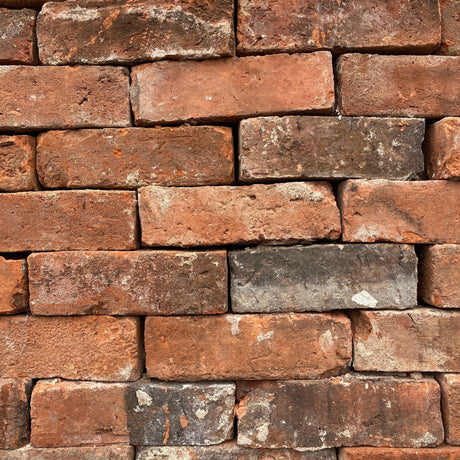
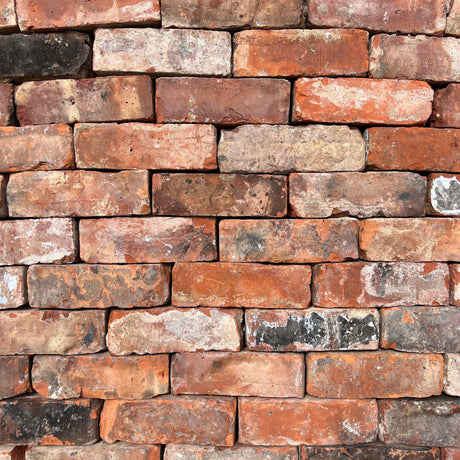
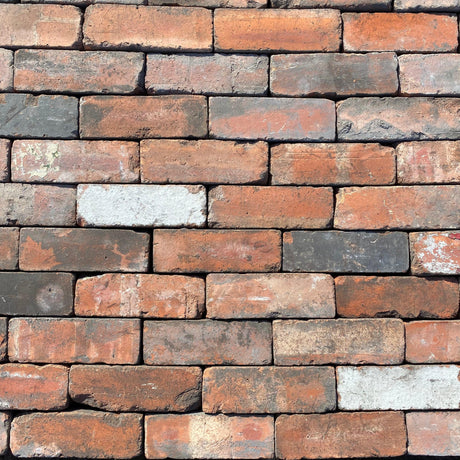
Reclaimed Bricks - Sustainable, Affordable, Authentic.
Specifying Reclaimed Brick: Performance, Carbon and Compliance in Masonry Reuse
Reclaimed brick is one of the lowest-carbon facing materials available to UK construction. It's durability has been proven over decades in service, it matches the character of existing buildings in a way new brick rarely can, and every brick reused is one that does not need to be manufactured.
Specifying it with confidence, though, depends on evidence: how it performs, how it is tested, what the carbon data shows and how supply is managed through to site. The Reclaimed Brick CPD gives architects, specifiers and contractors that evidence in a single 60-minute session.
Why Reclaimed Bricks, and Why Now?
Clients, planning authorities and funders increasingly expect projects to measure and reduce whole-life carbon. Reusing brick is one of the most direct ways to cut the embodied carbon of a façade, yet it is often ruled out at an early stage because of doubts about performance, consistency, appearance, cost or supply.
This CPD takes each of those concerns in turn and answers it with evidence: independent test data, a verified Environmental Product Declaration and practical experience from real projects.
What The Reclaimed Brick CPD covers;
Sourcing and provenance - Where our bricks come from, how they are recovered, cleaned and graded, and how batch-level provenance documentation traces each consignment back to its source.
Testing and compliance - How reclaimed bricks are independently tested to BS EN 771-1 and what the declared values mean, with a side-by-side reference table comparing reclaimed and new facing bricks for durability, dimensional tolerance, active soluble salts, water absorption and reaction to fire.
Carbon and life cycle data - A stage-by-stage walk through our verified EPD to EN 15804+A2: where emissions arise, where the savings come from, how that compares with new clay facing brick, and how to use the figures in whole-life carbon assessments and planning submissions.
Design and aesthetics - Colour, texture and patina; matching existing buildings in conservation areas and heritage settings; blending batches for a consistent finish; and the design opportunities reclaimed brick opens up.
On site - A good-practice guide for site teams covering delivery and storage, selection and blending from pallets, mortar choice, laying, and the health and safety considerations specific to reclaimed materials.
Supply, programme and cost - How to secure enough matching brick for a project, when to reserve batches, how to plan lead times, and why reclaimed brick prices are not exposed to the kiln-firing energy costs that drive new brick prices.
Policy and case studies -The UK targets and policy driving low-carbon, circular construction, followed by case studies showing how much CO₂ reclaimed brick has saved on completed projects.
Learning outcomes
By the end of the session, attendees will be able to:
- Explain how reclaimed bricks are sourced, processed and documented, and what provenance information to ask a supplier for
- Interpret BS EN 771-1 test results for reclaimed bricks and compare them with new facing bricks
- Use EPD data to quantify and report the embodied carbon saving on a project
- Respond to common client and planning concerns about performance, appearance and cost
- Specify reclaimed brick with confidence and plan supply and site practice to suit